
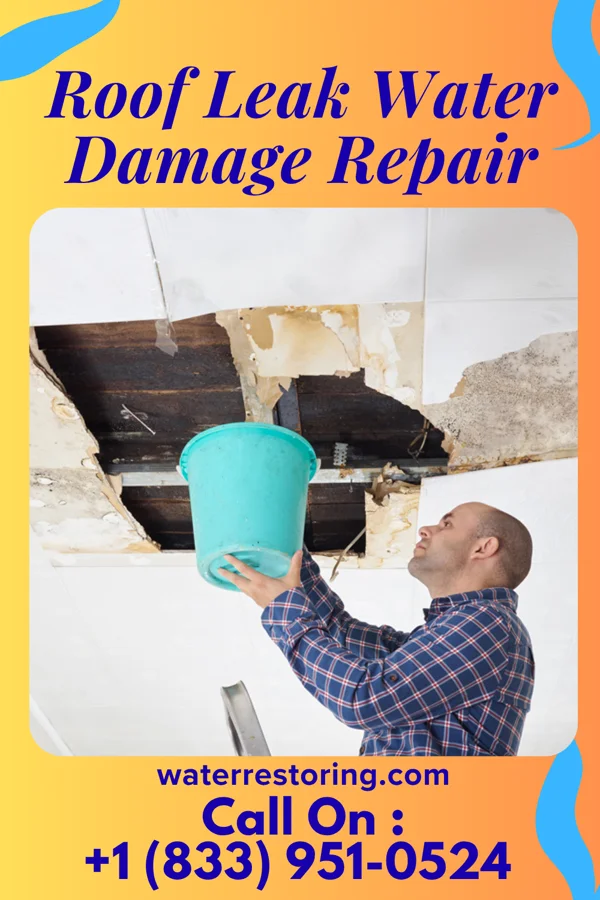
Roof Leaks & Insurance in Ethel
Ethel, Missouri experiences frequent thunderstorms and heavy rainfall, especially during the spring and summer months, which can lead to sudden roof leaks and water damage. The region's flat terrain and lack of natural drainage can exacerbate water pooling around homes, increasing the risk of basement flooding and structural damage. is the trigger behind most roof leak water damage repair claims in Ethel. A close second is In the fall, Ethel is prone to strong winds and sudden temperature drops, which can cause roofing materials to deteriorate or become loose, creating entry points for water. Winter snowmelt can also lead to prolonged moisture exposure, especially in older homes with compromised roofing systems.. Most homeowner insurance policies cover sudden, accidental water damage. What separates a clean claim from a stuck one is fast professional response with documentation an adjuster can actually use.
Ethel's climate, characterized by frequent storms and high humidity, leads to common issues such as water infiltration, mold growth, and compromised insulation. These factors can lead to long-term structural damage if not addressed promptly.
Most roof leak water damage repair calls in Ethel come from Ethel, Missouri experiences frequent thunderstorms and heavy rainfall, especially during the spring and summer months, which can lead to sudden roof leaks and water damage. The region's flat terrain and lack of natural drainage can exacerbate water pooling around homes, increasing the risk of basement flooding and structural damage.. Running a close second is In the fall, Ethel is prone to strong winds and sudden temperature drops, which can cause roofing materials to deteriorate or become loose, creating entry points for water. Winter snowmelt can also lead to prolonged moisture exposure, especially in older homes with compromised roofing systems.. Local mold risk: Mold can begin to grow within 48 hours of water exposure in Ethel, especially in damp, poorly ventilated areas. This can lead to secondary damage such as wood rot, weakened structural components, and compromised indoor air quality.